Blog
November 11, 2026
Introducing Vertebrai, Compute That Puts Power to Work
- Renewable producers often lose generation to curtailment, while data center developers may pay for power long before their facilities can use it.
- Vertebrai is MARA's managed flexible load that can be rapidly deployed to put underused power to work and scale back when capacity is needed elsewhere.
- At MARA’s Texas windfarm, we estimate that Vertebrai cut curtailment by more than half over six months, putting more wind generation to productive use and creating an additional source of revenue.
Table of contents
Power and demand rarely arrive at the same time. Nearly a decade of running power-intensive computing across energy markets has taught us that, and it’s why we built Vertebrai.
It uses flexible computing to capture power that would otherwise sit idle or sell at a loss. When that power is needed elsewhere, Vertebrai steps aside. Before offering it to anyone else, we deployed it at our own wind farm in Texas.
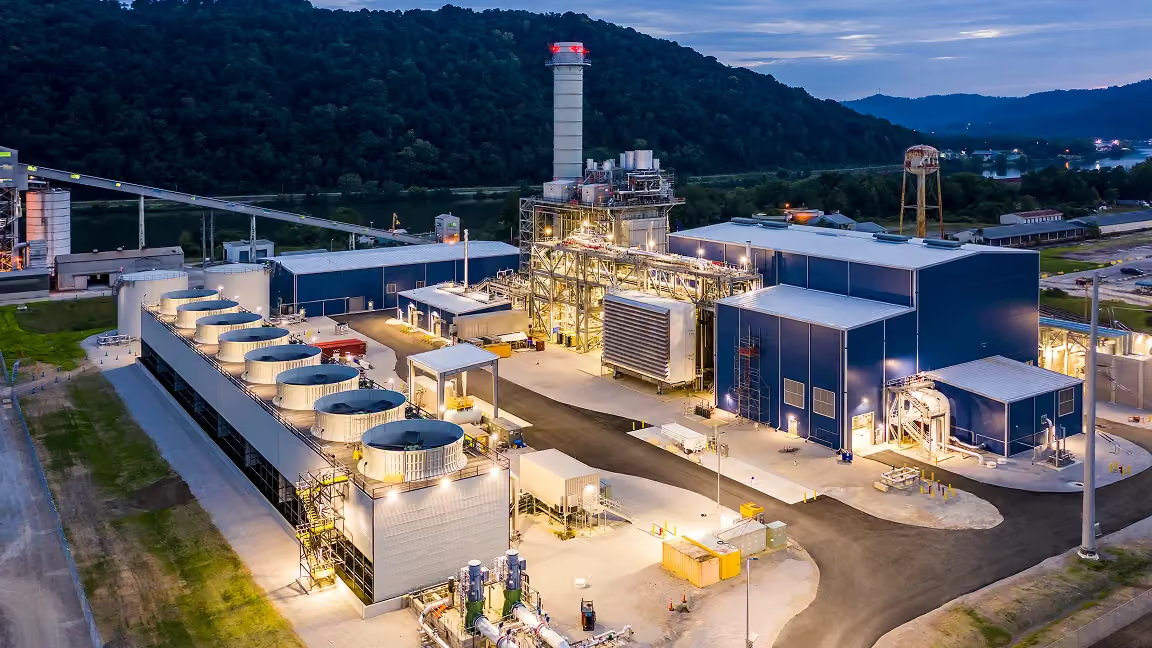
Proven at MARA's wind farm
The site sits in Hansford County, where turbines often produce the most power when the grid needs it least and prices regularly fall below zero. At a negative price, delivering power costs the generator money, so the usual choice is to curtail and give up the output.
Vertebrai gives the site a better option. Its software decides, moment to moment, where the power should go. When grid prices turn negative or fall too low, it sends power to the on-site computing equipment. When prices recover, it scales the load back and more power flows to the grid.
From April through September 2026, we estimate that Vertebrai helped our Texas wind farm cut curtailment by more than half. Without Vertebrai, an estimated 46% of potential wind generation would have been curtailed. By using on-site computing to absorb power that otherwise would have gone unused, Vertebrai reduced that figure to 22%, putting more of the farm’s generation to productive use and creating an additional source of revenue.
Bringing that flexibility to data centers
Data center developers face a similar mismatch. They often secure power long before their buildings and tenants can use it. Construction can take 18 to 24 months, data halls come online in phases, and tenants ramp up gradually.
Meanwhile, many utilities bill large customers for a minimum share of their contracted power whether they use it or not. Across the large-load tariffs Berkeley Lab and The Brattle Group reviewed this year, that minimum was typically 80%. Picture a developer with 100 megawatts under contract and a campus that won’t reach full load for two years. For much of that time, it’s paying for power it can’t use yet.
Vertebrai can fill that gap in the meantime. MARA deploys flexible computing equipment on site to use the capacity the permanent facility doesn’t need yet, which helps offset what the developer is paying for it. As each data hall comes online, Vertebrai steps back to make room. Once the facility is running at full load, the equipment can roll out or stay on as a flexible buffer that’s ready to stand down when the grid needs relief.
Good for the grid, easier on batteries
Power producers and data center developers both want to be good to the grid. Vertebrai helps both by adjusting how much power it uses. When there’s more power available than the grid needs, it can increase consumption. When demand rises, it can scale back, making that power available elsewhere.
That same flexibility can reduce the strain on a site’s batteries. By taking on some of the work of managing excess power, Vertebrai can reduce battery cycling, which extends battery life and lowers replacement costs. Depending on the site’s needs, it could also reduce the amount of battery storage required in the first place.
MARA runs it. You set the limits.
MARA brings the equipment from its own fleet, then installs, monitors, and maintains it, so customers have no hardware to buy and no team to hire. The site owner decides how much power Vertebrai can use, and when. Vertebrai follows those limits automatically, and the site’s own operations come first.
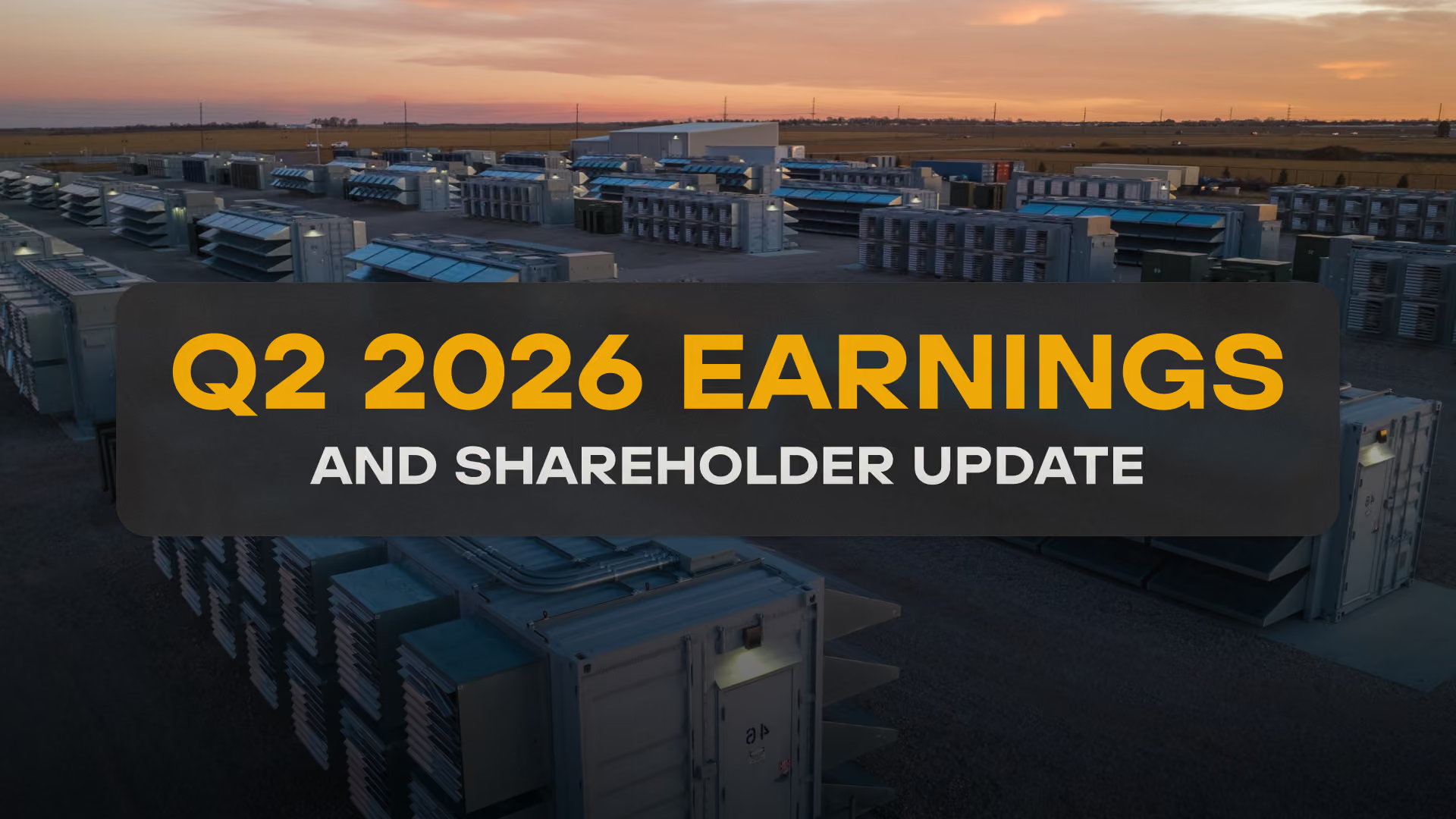
The equipment sits in modular containers beside the site’s transformer, apart from the main facility, and doesn’t need a new building, fiber, or water.
Power and demand won’t always arrive at the same time. Vertebrai was built to bridge the gap.
See how quickly Vertebrai could put your unused power to work at mara.com/vertebrai.
Investor Notice
Investing in our securities involves a high degree of risk. Before making an investment decision, you should carefully consider the risks, uncertainties and forward-looking statements described under the heading “Risk Factors” in our most recent annual report on Form 10-K and any other periodic reports that we may file with the U.S. Securities and Exchange Commission (the “SEC”). If any of these risks were to occur, our business, financial condition or results of operations would likely suffer. In that event, the value of our securities could decline, and you could lose part or all of your investment. The risks and uncertainties we describe are not the only ones facing us. Additional risks not presently known to us or that we currently deem immaterial may also impair our business operations. In addition, our past financial performance may not be a reliable indicator of future performance, and historical trends should not be used to anticipate results in the future. See “Forward-Looking Statements.”
Forward-Looking Statements
This blog post contains forward-looking statements within the meaning of the federal securities laws. All statements, other than statements of historical fact, included in this blog post are forward-looking statements. The words “may,” “will,” “could,” “anticipate,” “expect,” “intend,” “believe,” “continue,” “target” and similar expressions or variations or negatives of these words are intended to identify forward-looking statements, although not all forward-looking statements contain these identifying words. Such forward-looking statements are based on management’s current expectations about future events as of the date hereof and involve many risks and uncertainties that could cause our actual results to differ materially from those expressed or implied by the forward-looking statements. Subsequent events and developments, including actual results or changes in our assumptions, may cause our views to change. We do not undertake to update our forward-looking statements except to the extent required by applicable law. Readers are cautioned not to place undue reliance on such forward-looking statements. All forward-looking statements included herein are expressly qualified in their entirety by these cautionary statements. Our actual results and outcomes could differ materially from those included in these forward-looking statements as a result of various factors, including, but not limited to, the factors set forth under the heading “Risk Factors” in our most recent annual report on Form 10-K, and any other periodic reports that we may file with the SEC.
Shape the future of energy with MARA
Resources