This op-ed, written by Fred Thiel, was originally published by FII Institute. Republished here in full.
When it comes to powering the future of artificial intelligence, the conversation often starts and ends with energy generation. But the defining question may be whether we are making the best use of the energy we already produce. Efficiency – how we deliver, manage and optimize every electron – will set the pace for AI’s growth and shape the opportunities ahead.
As CEO of a company operating at the intersection of compute and energy, I see this challenge firsthand. In Bitcoin mining, we are acutely aware of the constraints imposed by the grid. Our operations depend not only on the availability of electricity, but on the flexibility and reliability of the systems that deliver it. The lessons we’ve learned in balancing substantial, variable loads with grid realities are directly relevant to the AI era.
Why the grid, in addition to generation, will set the pace of AI is becoming increasingly clear: AI’s rise is driving an extraordinary surge in electricity demand. Data center power needs are projected to increase by 175% by 2030, rivaling the consumption of entire nations. The International Energy Agency expects data center electricity use to more than double, with AI-driven workloads leading the surge. But the bottleneck isn’t just about generating enough power, it’s about getting that power to the right place, at the right time, and in the right way. Traditional grids, built for steady and predictable loads, are being stretched by the volatile, spiky patterns of AI workloads. This volatility exposes inefficiencies and risks, making grid reliability and flexibility just as critical as adding new capacity.
Energy efficiency has never been more important. We must optimize how energy is transmitted, distributed, and consumed. Technologies like dynamic line rating and advanced power flow controllers can unlock hidden capacity in existing infrastructure, while demand response programs and flexible load management help smooth volatility and reduce waste.
{{marketing-banner}}
Utilities and grid operators face a daunting set of challenges. Aging infrastructure, lengthy permitting processes and the sheer scale of investment required to modernize the grid can slow progress. Policy frameworks must incentivize grid upgrades, encourage public-private partnerships, and support the integration of renewables and flexible loads. While new generation is certainly critical, capital allocation should also prioritize the deployment of intelligent control systems and upgrades to existing corridors.
What will be needed to help? A pragmatic, multi-pronged approach: pairing new generation with near-term upgrades, co-locating flexible compute with renewable and low-carbon supply, scaling programs that pay large loads to respond in minutes and funding control systems that make AI campuses grid-friendly by design.
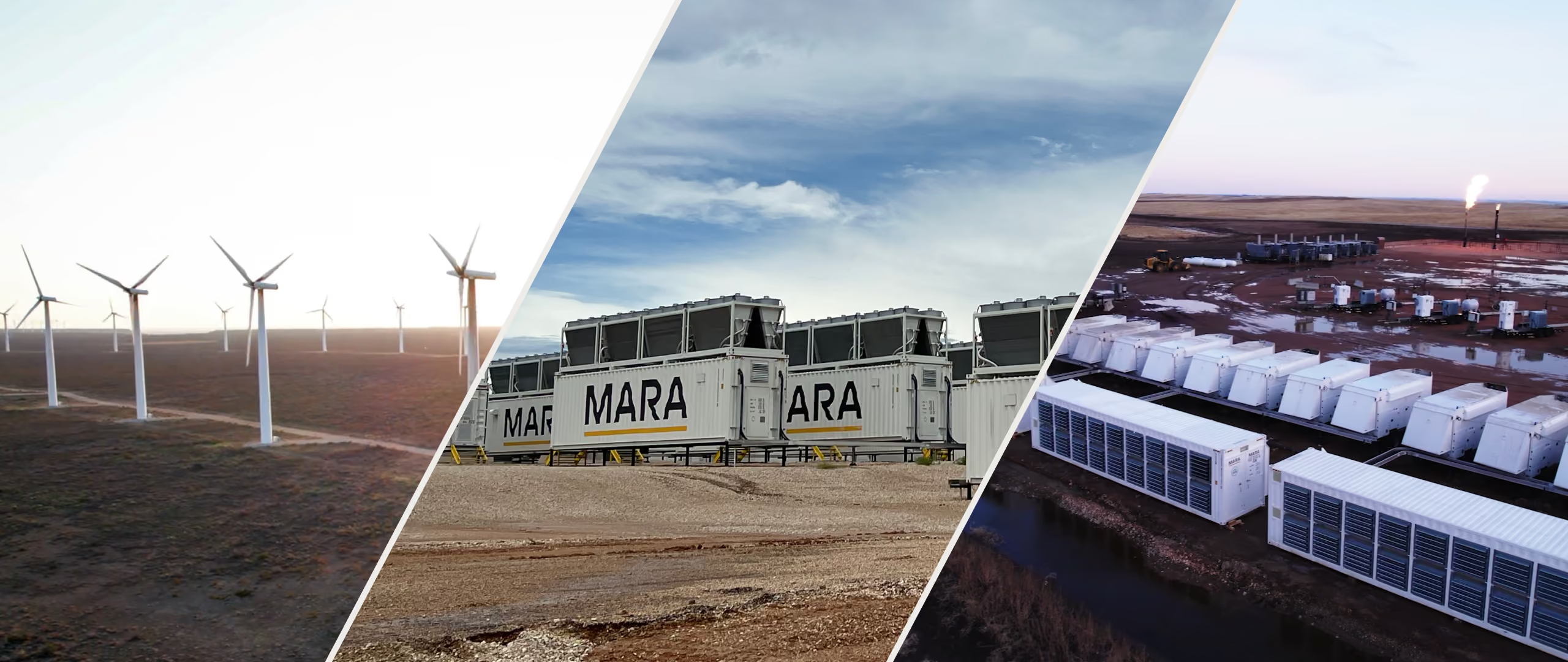
Bitcoin and the companies that power its trusted network are shaping the future of AI in ways that go beyond digital currency. These organizations operate some of the world’s most advanced, flexible computing infrastructure – systems designed to respond instantly to changes in energy supply and demand. By participating in grid reliability programs, absorbing excess renewable energy, and curtailing consumption during periods of peak stress, Bitcoin miners have demonstrated how large-scale, responsive compute can support grid stability. This expertise is now being leveraged to help meet the unpredictable energy needs of AI, providing a blueprint for how flexible, distributed infrastructure can enable both reliability and scalability as AI workloads continue to grow.
The future of AI will be shaped by both advances in algorithms and hardware and our ability to build smarter, more resilient energy systems. If we invest in flexibility and modernize the grid, we can scale AI with reliability, cost discipline and a path to lower emissions. The true limit to intelligence in the coming decade won’t be how much power we can generate, it will be how intelligently we manage and deliver it.
I’m optimistic, but it will take all of us – operators, policymakers, and innovators – working together to make it happen. If we do not, the limit to intelligence will not be algorithms, it will be amps.


.webp)